PADI Peak Performance Buoyancy
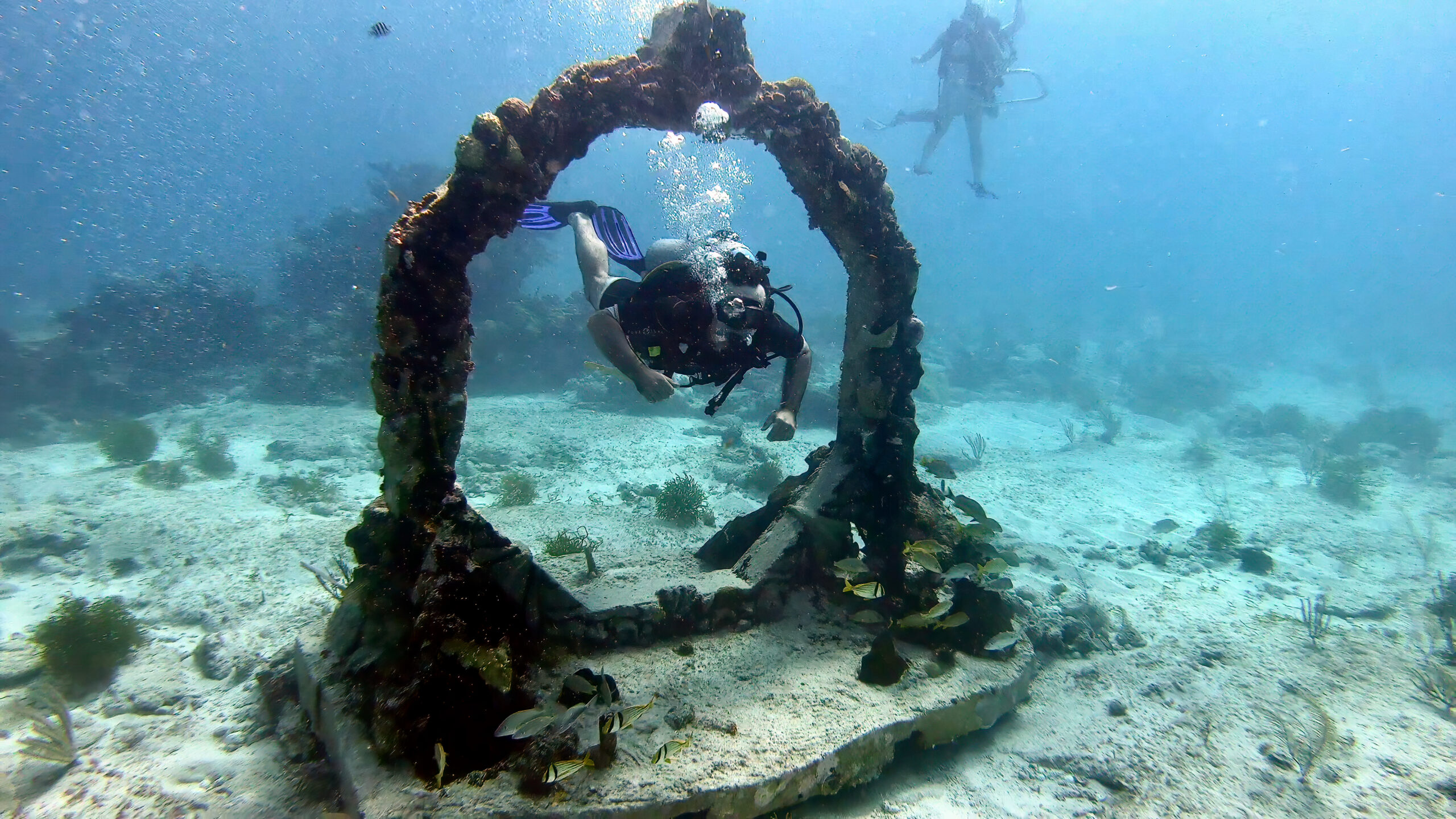
SIDEMOUNT DIVER
Better Buoyancy. Better Control. Better Diving.
Great buoyancy is one of the skills that separates a good diver from a great one. The PADI Peak Performance Buoyancy Specialty is designed to help you fine-tune your weighting, improve your trim and move through the water with greater control and less effort.
You'll learn how small changes to your weighting, body position, breathing and equipment configuration can make a big difference underwater.
Across two open-water dives, you'll work with your instructor to refine your buoyancy and become a more relaxed, streamlined and efficient diver – skills that will benefit almost every dive you make.
WHAT'S INCLUDED IN YOUR PEAK PERFORMANCE BUOYANCY COURSE?
PADI Peak Performance Buoyancy eLearning
Two open-water training dives
Fine-tune your weighting and weight distribution
Develop better neutral buoyancy
Improve your trim and body position
Develop excellent buoyancy, trim and streamlining
Practise hovering in different positions
Become more streamlined and efficient underwater
Learn to make precise buoyancy adjustments using your breathing
Reduce unnecessary contact with the underwater environment
Training with an experienced PADI Specialty Instructor
Full scuba equipment provided
PADI Peak Performance Buoyancy certification on successful completion
WHAT HAPPENS DURING YOUR COURSE?
Your course begins with PADI Peak Performance Buoyancy eLearning, helping you understand the principles behind excellent buoyancy and how factors such as weighting, equipment configuration and breathing affect your position underwater.
Then it's time to put it into practice.
Across two open-water dives, your instructor will look at how you're currently diving and help identify the small adjustments that can make a big difference.
We'll work on getting your weighting right – not simply how much weight you're carrying, but where that weight is positioned and how it affects your trim.
You'll practise establishing neutral buoyancy, hovering and controlling small changes in depth without constantly adding and releasing air from your BCD.
You'll also work on your body position and streamlining, learning how to move through the water efficiently while reducing unnecessary effort.
The result is a diver who feels more in control, uses less energy and can concentrate more on actually enjoying the dive.
WHY IS GOOD BUOYANCY SO IMPORTANT?
Buoyancy affects almost everything you do underwater.
When you're correctly weighted and neutrally buoyant, you don't need to constantly kick or use your hands to maintain your position.
That means you can relax, move more efficiently and use less energy.
Good trim also reduces drag, making it easier to move through the water and helping you maintain a comfortable, streamlined position.
Better control means you're less likely to accidentally touch the bottom, disturb sediment or come into contact with fragile aquatic life.
And when you're no longer constantly thinking about staying up or staying down, you have much more time to look around and enjoy being underwater.
Questions You May Have
WHO IS PEAK PERFORMANCE BUOYANCY FOR?
Almost any certified diver can benefit from improving their buoyancy.
It's particularly useful for newer divers who want to build confidence and develop good habits early, but it's equally valuable for experienced divers who want to refine their trim, weighting and control.
Even small improvements can make a noticeable difference to the way you dive.
HOW MANY DIVES ARE INCLUDED?
The PADI Peak Performance Buoyancy Specialty consists of two open-water training dives.
Both dives focus on developing and refining your buoyancy, trim, weighting and underwater control.
WHAT WILL I LEARN?
You'll develop practical skills including:
Correct weighting
Weight distribution
Neutral buoyancy
Hovering
Trim and body position
Breath control
Streamlining
Precise depth control
Efficient movement underwater
Your instructor will also identify areas of your individual diving technique that can be improved.
WHAT IS NEUTRAL BUOYANCY?
Neutral buoyancy means you're neither sinking towards the bottom nor floating towards the surface.
When properly established, you can remain at a particular depth with minimal effort and use your breathing to make small, controlled adjustments.
It's one of the fundamental skills of good scuba diving.
WHAT IS TRIM?
Trim describes your body position underwater.
For most recreational diving, a comfortable, streamlined position helps reduce drag and makes movement more efficient.
Your weighting, equipment configuration, cylinder position and body position can all affect your trim.
During the course, we'll help you find a setup that works for you.
WILL I LEARN HOW MUCH WEIGHT I REALLY NEED?
Yes.
Correct weighting is an important part of good buoyancy.
Many divers, particularly when they're relatively new, carry more weight than they actually need. This can make buoyancy control more difficult and increase the amount of air needed in the BCD.
We'll work on establishing appropriate weighting and look at where your weight is positioned, not simply the total amount you're carrying.
CAN BETTER BUOYANCY HELP MY AIR CONSUMPTION?
It can.
Good buoyancy and trim can reduce unnecessary movement and effort underwater.
A relaxed, streamlined diver generally has to work less to move through the water, which can contribute to more efficient breathing and gas consumption.
Of course, gas consumption is affected by many other factors too, including depth, fitness, experience and conditions.
WHY IS BREATHING IMPORTANT FOR BUOYANCY?
Your lungs are effectively another buoyancy space.
A normal inhalation slightly increases your buoyancy, while exhaling slightly decreases it.
Once your overall buoyancy is correctly established, learning to use normal breathing for small, precise changes in position can dramatically improve your control.
The aim isn't to hold your breath – scuba divers should never hold their breath – but to understand how your normal breathing pattern affects your buoyancy.
WILL THIS COURSE MAKE ME A BETTER PHOTOGRAPHER?
It certainly provides skills that are extremely useful for underwater photography.
Being able to hold your position without touching the bottom or constantly moving makes it much easier to concentrate on your camera and approach marine life carefully.
Good buoyancy is one of the most valuable skills an underwater photographer can develop.
DOES PEAK PERFORMANCE BUOYANCY HELP PROTECT MARINE LIFE?
Yes.
Good buoyancy allows you to maintain your position without accidentally touching coral, disturbing the bottom or making unnecessary contact with aquatic life.
Better control makes you a more environmentally responsible diver as well as a more capable one.
DO I NEED TO BE ADVANCED OPEN WATER CERTIFIED?
No.
You need to be a PADI (Junior) Open Water Diver or hold a qualifying certification from another recognised training organisation.
In fact, Peak Performance Buoyancy can be particularly valuable soon after completing Open Water because it helps develop strong buoyancy habits early in your diving.
DOES MY PEAK PERFORMANCE BUOYANCY ADVENTURE DIVE COUNT?
Yes.
If you've already completed a qualifying Peak Performance Buoyancy Adventure Dive, such as during your PADI Advanced Open Water Diver course, it may be credited as Dive 1 of the specialty when the relevant requirements are met.
That means you may only need to complete one additional training dive to finish the specialty.
HOW OLD DO I NEED TO BE?
The minimum age for the PADI Peak Performance Buoyancy Specialty is 10 years old.
Junior divers remain subject to the appropriate PADI age-related depth and supervision requirements.
DOES MY PEAK PERFORMANCE BUOYANCY ADVENTURE DIVE COUNT?
Yes.
If you've already completed a qualifying Peak Performance Buoyancy Adventure Dive, such as during your PADI Advanced Open Water Diver course, it may be credited as Dive 1 of the specialty when the relevant requirements are met.
That means you may only need to complete one additional training dive to finish the specialty.
IS ALL THE EQUIPMENT PROVIDED?
Yes. Full scuba equipment is provided for your Peak Performance Buoyancy training.
If you own your own equipment, this is actually a particularly useful course to take using it. Your equipment configuration and weight positioning can directly affect your trim and buoyancy, so we can help you refine the setup you intend to continue diving with.
WHAT CAN I DO AFTER THE COURSE?
Better buoyancy will benefit virtually every area of your future diving.
It's particularly valuable before progressing into specialties such as Wreck Diver, Deep Diver, Underwater Navigation or underwater photography, where precise control and good trim become increasingly important.
PEAK PERFORMANCE BUOYANCY HIGHLIGHTS
Want to feel completely in control underwater?
Great buoyancy isn't about constantly adding and releasing air – it's about being correctly weighted, balanced and relaxed enough that small adjustments become almost effortless.
We'll help you refine the skills that can make every dive you do afterwards feel better.