EFR INSTRUCTOR
EFR INSTRUCTOR
Teach the Skills That Can Make a Real Difference
Take your emergency-care training to the next level and learn how to teach others the skills and confidence to respond when someone needs help.
The Emergency First Response (EFR) Instructor course develops your ability to teach CPR and First Aid using the Emergency First Response approach. You’ll build on your own emergency-care skills while learning how to organise courses, demonstrate skills, guide practice sessions and create effective emergency scenarios for your students.
EFR Instructor training isn’t just for dive professionals. It’s a valuable teaching qualification for anyone who meets the entry requirements and wants to help others develop practical emergency-care skills.
At Scuba Academy, your training is led by an EFR Instructor Trainer, with plenty of practical teaching, feedback and support throughout your course.
WHAT'S INCLUDED IN YOUR EFR INSTRUCTOR COURSE?
EFR Instructor course training
Instructor-level emergency-care skill development
Learn to teach Primary Care (CPR)
Learn to teach Secondary Care (First Aid)
Learn to teach CPR & AED
Learn about teaching Care for Children
Instructor presentations and workshops
Learn how to demonstrate emergency-care skills
Develop effective briefings and debriefings
Learn to organise student skill practice
Learn to conduct emergency scenarios
EFR programme standards and procedures
All required training equipment provided
EFR Instructor application guidance
WHAT HAPPENS DURING YOUR COURSE?
The EFR Instructor course takes the emergency-care skills you already have and approaches them from a completely different perspective.
Instead of simply knowing how to perform a skill, you’re now learning how to teach that skill to somebody else.
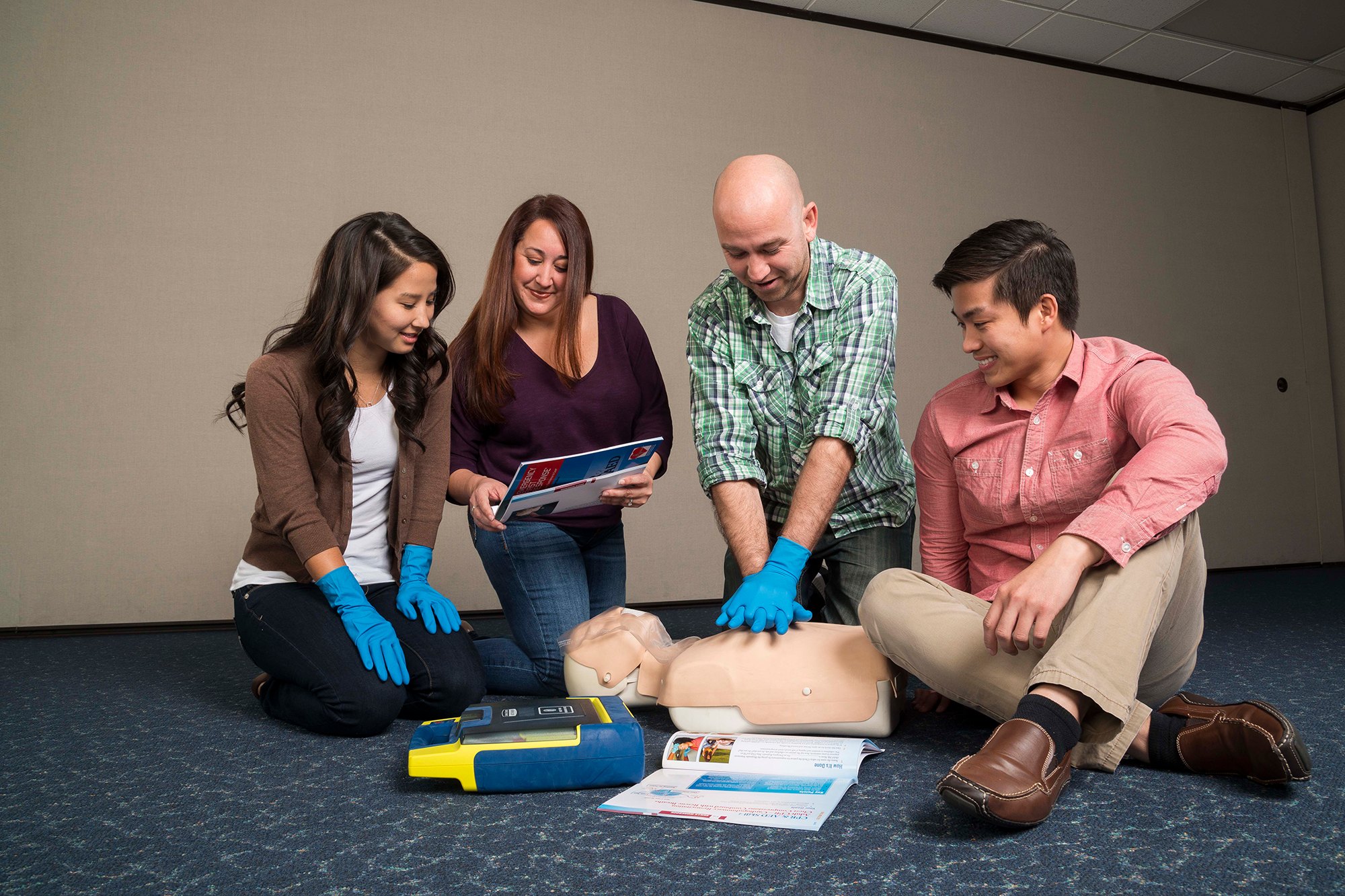
Your training combines independent study with Instructor Trainer-led sessions, practical skill development and teaching assignments.
You’ll learn how EFR courses are structured, how to introduce emergency-care skills, how to demonstrate them effectively and how to help students practise until they can meet the required performance.
You’ll also learn how to use scenarios to help students bring individual skills together and apply them to realistic emergency situations.
The emphasis throughout the course is on developing you into a confident and effective EFR Instructor.
FROM EMERGENCY RESPONDER TO INSTRUCTOR
Knowing how to perform CPR and First Aid is one thing.
Teaching somebody else to perform those skills confidently is another.
As an EFR Instructor, you need to be able to demonstrate emergency-care skills clearly, explain why they're important, recognise when a student is having difficulty and help them improve.
During your Instructor course, you’ll develop your own emergency-care skills to role-model quality while learning how to supervise and evaluate student practice.
You’ll also develop your ability to conduct scenarios where students need to assess what’s happening, decide which skills are appropriate and respond effectively.
The goal isn't simply to know the EFR programme.
It's to become comfortable teaching it.
Questions You May Have
DO I NEED TO BE A PADI PROFESSIONAL?
No.
You don’t need to be a scuba diver or PADI Professional to become an EFR Instructor.
EFR Instructor is an emergency-care teaching qualification and is available to qualifying candidates from both diving and non-diving backgrounds.
DO I NEED PREVIOUS CPR AND FIRST AID TRAINING?
Yes.
You normally need to have completed EFR Primary & Secondary Care or qualifying CPR and First Aid training within the previous 24 months.
If your training isn't current, we can arrange your EFR Primary & Secondary Care course before beginning your Instructor training.
HOW OLD DO I NEED TO BE?
You must be at least 18 years old to enrol in the EFR Instructor course.
WHAT WILL I LEARN TO TEACH?
The EFR Instructor course develops you to teach Emergency First Response programmes including:
Primary Care (CPR)
Secondary Care (First Aid)
CPR & AED
and Care for Children.
Your training covers both the emergency-care skills themselves and the instructional techniques needed to teach them effectively.
DO MY FIRST AID SKILLS NEED TO BE PERFECT BEFORE I START?
No.
You should arrive with current CPR and First Aid knowledge, but part of your Instructor development involves refining your emergency-care skills to role-model quality.
Your Instructor Trainer will work with you on both your practical skills and your ability to demonstrate them effectively to students.
WILL I HAVE TO TEACH DURING THE COURSE?
Yes.
Practical teaching is an important part of becoming an EFR Instructor.
You’ll complete teaching assignments that give you experience presenting information, introducing skills, conducting student practice and providing feedback.
This gives you an opportunity to practise teaching before you're responsible for your own EFR students.
WILL I HAVE TO COMPLETE AN EXAM?
Yes.
The EFR Instructor course includes an EFR Instructor Final Exam.
You'll also need to successfully complete the practical and teaching requirements of the course.
The purpose is to make sure you understand the EFR programmes and can teach them effectively.
DO WE COVER AED TRAINING?
Yes.
The EFR Instructor programme includes development relating to CPR & AED, allowing you to incorporate AED training appropriately within EFR programmes.
You'll work with AED training equipment as part of your Instructor development.
DO WE COVER EMERGENCY OXYGEN?
Emergency oxygen is an optional skill within EFR Primary & Secondary Care rather than one of the core EFR Instructor course programmes listed in the Instructor Trainer Guide.
At Scuba Academy, we include emergency oxygen within our EFR Primary & Secondary Care training.
If you also want to develop specifically as an emergency oxygen Instructor, speak to us about the appropriate PADI professional training pathway.
WHAT IS EFR CARE FOR CHILDREN?
Emergency First Response Care for Children focuses on emergency care for infants and children.
The EFR Instructor course includes development relating to teaching the Care for Children programme.
We'll explain how this programme fits alongside Primary Care, Secondary Care and CPR & AED during your Instructor training.
HOW LONG DOES THE EFR INSTRUCTOR COURSE TAKE?
EFR training is performance-based, so successful completion is based on meeting the required performance rather than simply attending for a set number of hours.
For candidates who have completed the EFR Instructor eLearning, the Instructor Trainer Guide indicates that the course typically takes one day.
Your exact Scuba Academy schedule will be confirmed when you book.
IS EFR INSTRUCTOR REQUIRED FOR PADI INSTRUCTORS?
PADI Open Water Scuba Instructor candidates need to hold EFR Instructor or another qualifying CPR/First Aid Instructor rating before their OWSI certification can be issued.
For most PADI Instructor candidates, completing the EFR Instructor course is therefore a natural part of their professional training pathway.
If you're completing your PADI IDC with Scuba Academy, we can incorporate EFR Instructor training into your programme where required.
DO I NEED TO BE A MEDICAL PROFESSIONAL?
No.
You don't need to be a doctor, nurse or paramedic to become an EFR Instructor.
The programme is designed to allow qualifying individuals to learn how to teach Emergency First Response courses using the EFR educational system.
IS ALL THE EQUIPMENT PROVIDED?
Yes.
All equipment required for your practical EFR Instructor training is provided by Scuba Academy.
You'll have access to the appropriate CPR, First Aid and AED training equipment required during your Instructor development.
CAN I TEACH EFR AFTER THE COURSE?
Once you have successfully completed the EFR Instructor course, met the required standards and your Instructor application has been processed and approved, you can teach the EFR programmes for which you are authorised.
We'll explain the application and certification process during your course so you know exactly what happens next.
Emergency First Response Instructor Highlights
START TEACHING SKILLS THAT MATTER
Becoming an EFR Instructor gives you the opportunity to pass important emergency-care skills on to others.
You'll move beyond simply knowing how to perform CPR and First Aid and learn how to demonstrate, explain and teach those skills effectively.
Whether EFR Instructor is part of your pathway towards becoming a PADI Instructor or a qualification you want in its own right, you'll leave with the knowledge and teaching skills needed to start developing confident emergency responders of your own.
Learn the skills. Learn to teach them. Help others become prepared.